09 Oct
Image
Mobile Image
Image
10 Feb 2026
Lizzy Yarnold OBE Reflects on the SportsAid support that powered Olympic dream
Double Olympic champion Lizzy Yarnold OBE knows better than most what it takes to reach the top of world sport.
Share this story
From discovering skeleton through a UK talent identification programme to making history for Great Britain on the Olympic stage, her journey has been defined by resilience, self-belief and the support of those around her.
Image
Speaking ahead of the 2026 Winter Olympics, Yarnold is passionate about sharing the lessons that shaped her career, from embracing recognition early on to understanding the value of teamwork, balance and planning for life beyond sport.
Following retirement from Skeleton, she now encourages the next generation of athletes to pursue their ambitions both on and off the field of play.
After applying for UK Sport’s talent identification programme ‘Girls4Gold’ as an ambitious teenager, Lizzy was selected for skeleton.
She said: “I loved winter sports, but I’d never thought of myself in that world.
“It was a real shift, seeing whether I could physically and psychologically be good at something completely new.”
British Skeleton’s established system, complete with experienced coaches, quality equipment and funding for time on the ice, provided the perfect environment for a newcomer.
With a strong athletic background and Olympic ambitions, she quickly immersed herself in the high-speed discipline, balancing university, work and an intense training schedule as she developed into a world-class slider.
Her early years demanded relentless dedication. While studying at university, Lizzy balanced training twice a day with work and lectures, often travelling across the country to fit everything in.
“I’d leave home at 5am, train, drive to uni, attend lectures, then head back again.
“When you think back, the extreme lengths athletes go to just to commit to their sport, it’s huge.”
Financial pressures added another layer of challenge. As a young athlete learning how to navigate both professional life and elite sport, funding was not always guaranteed.
Support from SportsAid helped ease that burden during her career, but Lizzy believes the impact went far beyond financial assistance.
Lizzy said: “The biggest challenge was trying to do the best you can as an athlete while working and studying, and managing the fact you might not have enough funding
“A couple of hundred pounds could mean a new crash helmet or a new set of runners, a huge performance advantage.
“But more than that, it was the recognition. Being able to call myself a SportsAid athlete meant someone else believed in my potential.
“You’re part of a cohort. You can talk to a gymnast or a canoe athlete and share experiences of performance pressure or balancing university. It helps you realise you’re not alone.”
Pulling on the Great Britain vest for the first time marked the realisation of a lifelong dream, and her rapid progression on the international circuit soon established her as one of the sport’s brightest talents.
That promise translated into history on the Olympic stage.
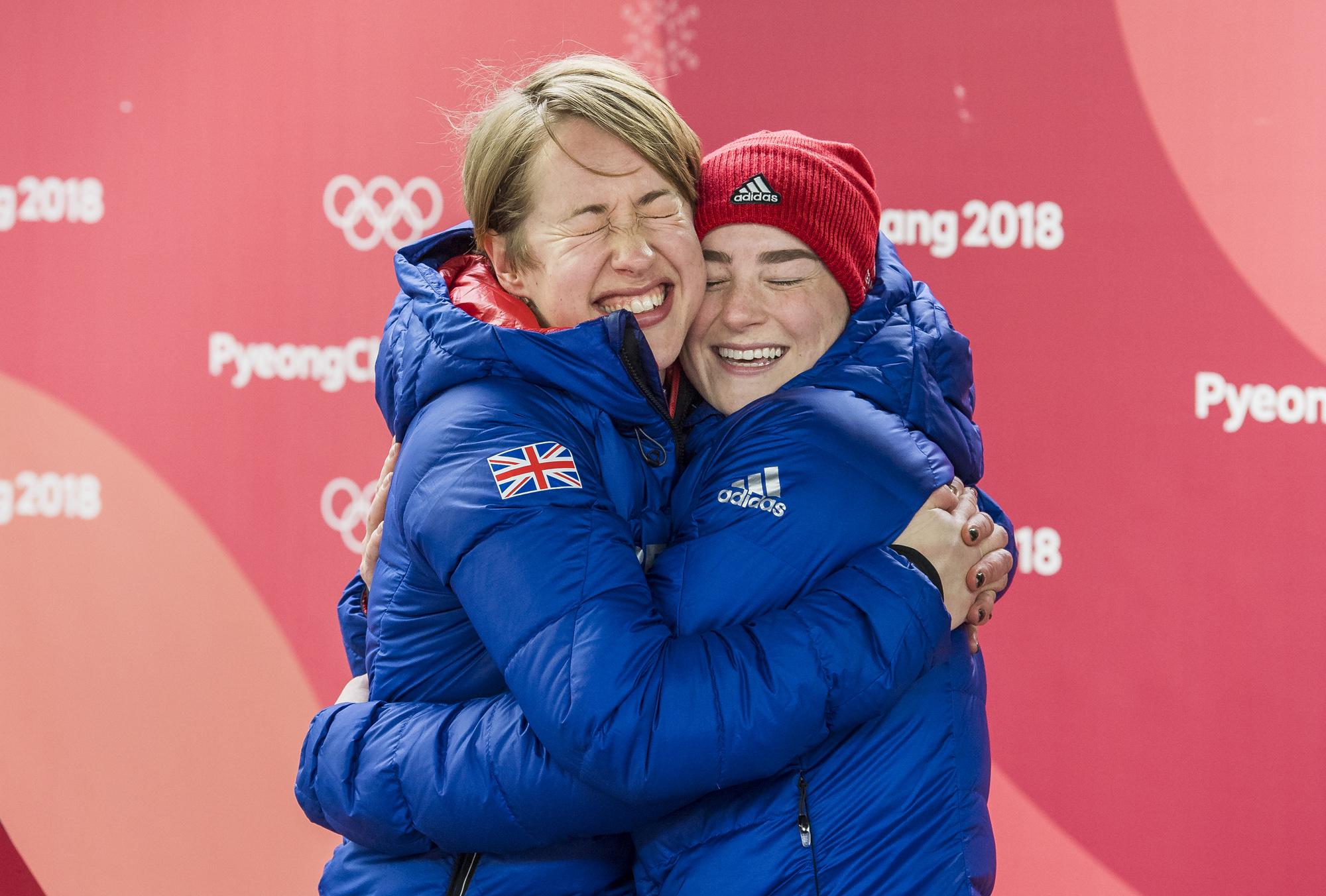
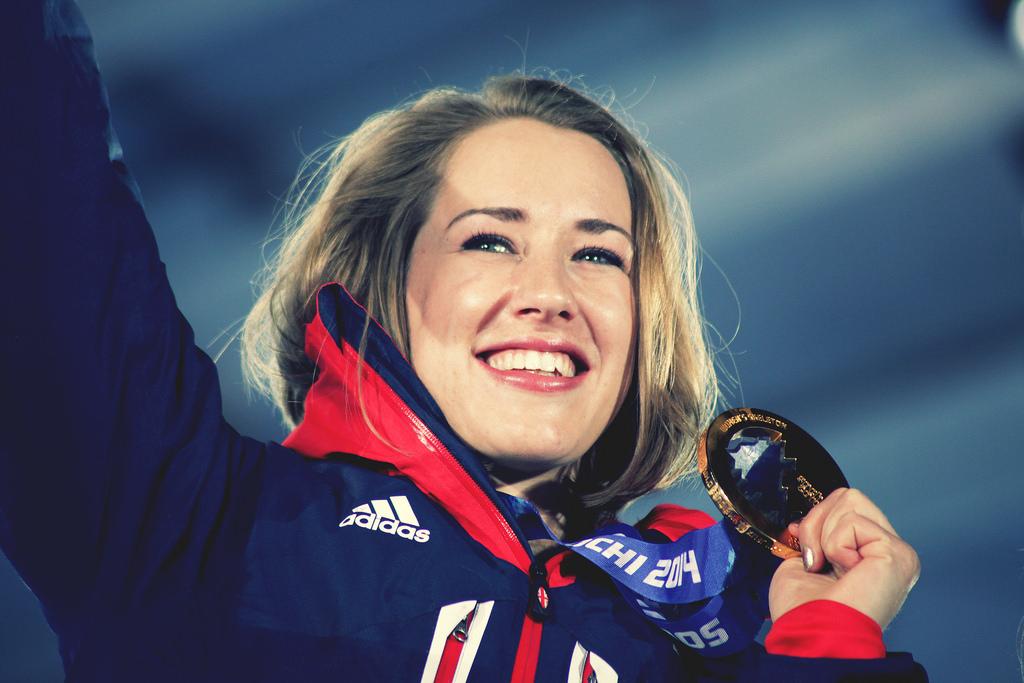
Yarnold claimed her first gold medal at the Sochi 2014 Games before returning four years later to defend her title in PyeongChang, becoming the first Brit to retain a Winter Olympic crown and cementing her status as Team GB’s most successful Winter Olympian.
Her back-to-back triumphs not only showcased her resilience and competitive drive but also underlined a career built on determination, belief and the courage to embrace an unfamiliar opportunity that ultimately led to double Olympic glory.
Since retiring, Yarnold has turned her attention to life beyond competition, something she believes athletes should never shy away from discussing.
Following her second Olympic gold, a back operation and what she described as a sense of “completion,” Lizzy transitioned into the next stage of her life.
Mentoring young athletes, working for the British Olympic Association athlete commission, having three children and now in Milano-Cortina 2026 as a pundit for the BBC, Lizzy put her skills developed over her career to great use.
“It’s okay to talk about life after sport. It doesn’t mean you’re any less committed.
“I'm excited to be in a different career, to be thinking about things in a different way, but to be still supporting.
“I still value a lot of the lessons that I learned from sport, being part of a team, shared experience and ambition that I still use now.
“That's what lots of people used to tell me, but I really would reiterate, athletes, have these amazing skills, which are lifelong skills.”
The Milano-Cortina Winter Olympics 2026 are running from 6 – 22 February 2026. SportsAid has 22 alumni competing across the disciplines at this year’s Olympics. You can cheer on the team on BBC & TNT throughout the month.
To see who SportsAid has previously supported, click here
Share this story

01 Oct

25 Sep